


On the first day of class, I introduce myself to my university students, sharing my five-minute life story and discussing the course. I hope to leave them feeling more relaxed as I gently encourage them to do their introductions, which I ask them to do immediately after I've finished speaking.
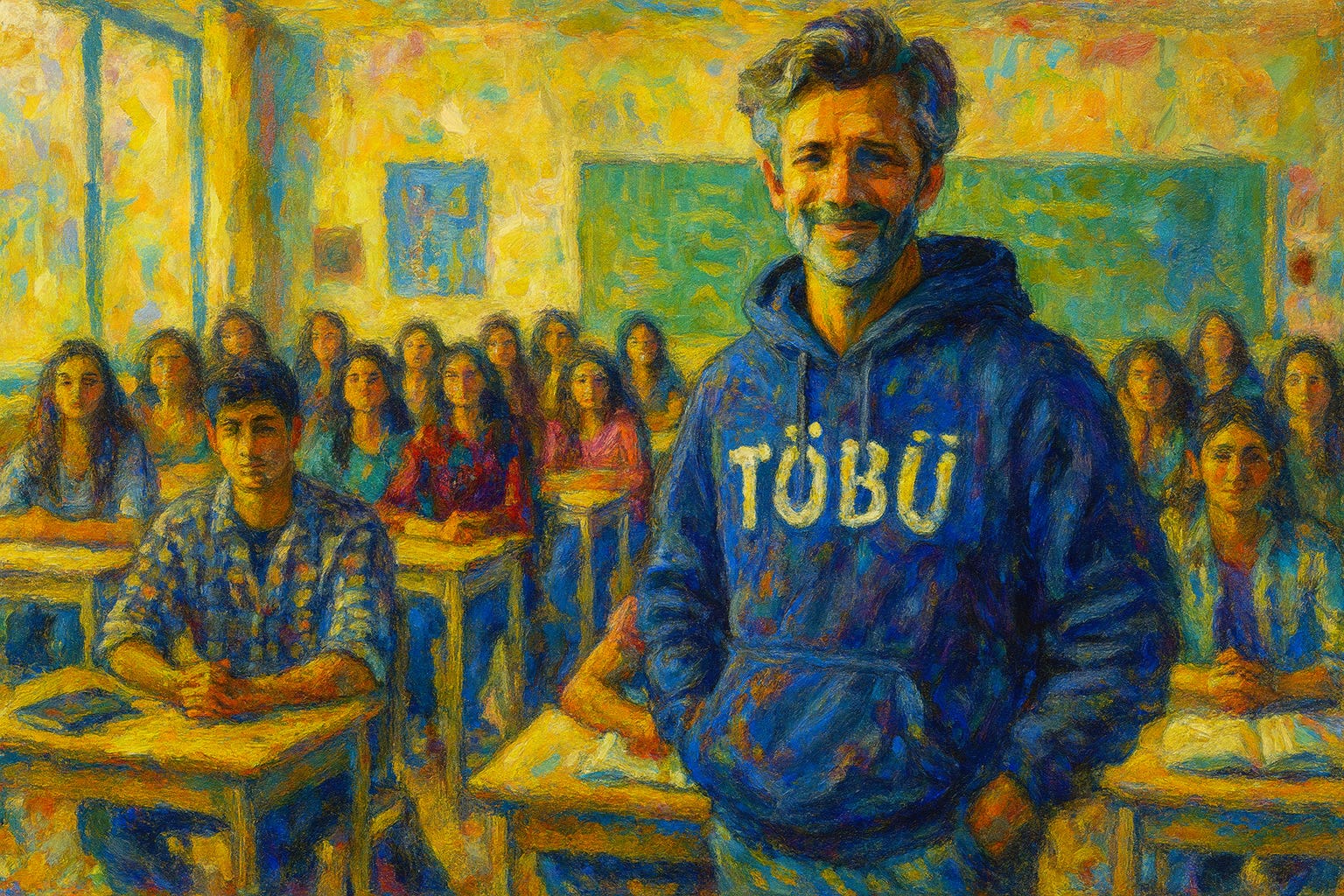
Most of my students are Indian. A few are from Sri Lanka, Pakistan, or Nepal, but the great tide is Indian: Punjabi, Gujarati, Malayali, Goan. When they introduce themselves, they do so with a deliberate awkwardness that betrays both discipline and nerves. They stand up straight, clutching notebooks, and speak in that careful cadence learned from a hundred parental warnings about respect:
“My name is Gurpreet Kaur. I graduated with a degree in economics. I come from Chandigarh.”
They insist—almost plead—that “Indian” is too vague a word. They are not categories. They are not “international students” in the bureaucratic euphemism invented by accountants in Ottawa.
They are human beings. And yet Canada insists on reducing them to a revenue stream. One university calls them “global learners”—a grotesque phrase that belongs more in an airport duty-free shop than in an academic institution. It’s marketing gloss for what they are: tuition cash cows.
What strikes me most is their respect, sometimes painful to witness. They stumble over calling me by my first name; many simply cannot do it. They panic when asked a question, their dignity always hostage to their English.
Inevitably, they stumble; inevitably, I move on. And yet, Canada stumbles far worse when it looks at them and sees only “too many.”
That phrase—“too many”—is the polite Canadian sneer. You hear it muttered on talk radio, in line at Tim Hortons, even in faculty meetings. Too many students, too many Punjabis, too many brown kids. As if they were an invasive species instead of young men and women flung into the brutality of our housing market, our job market, our back-alley immigration industry.
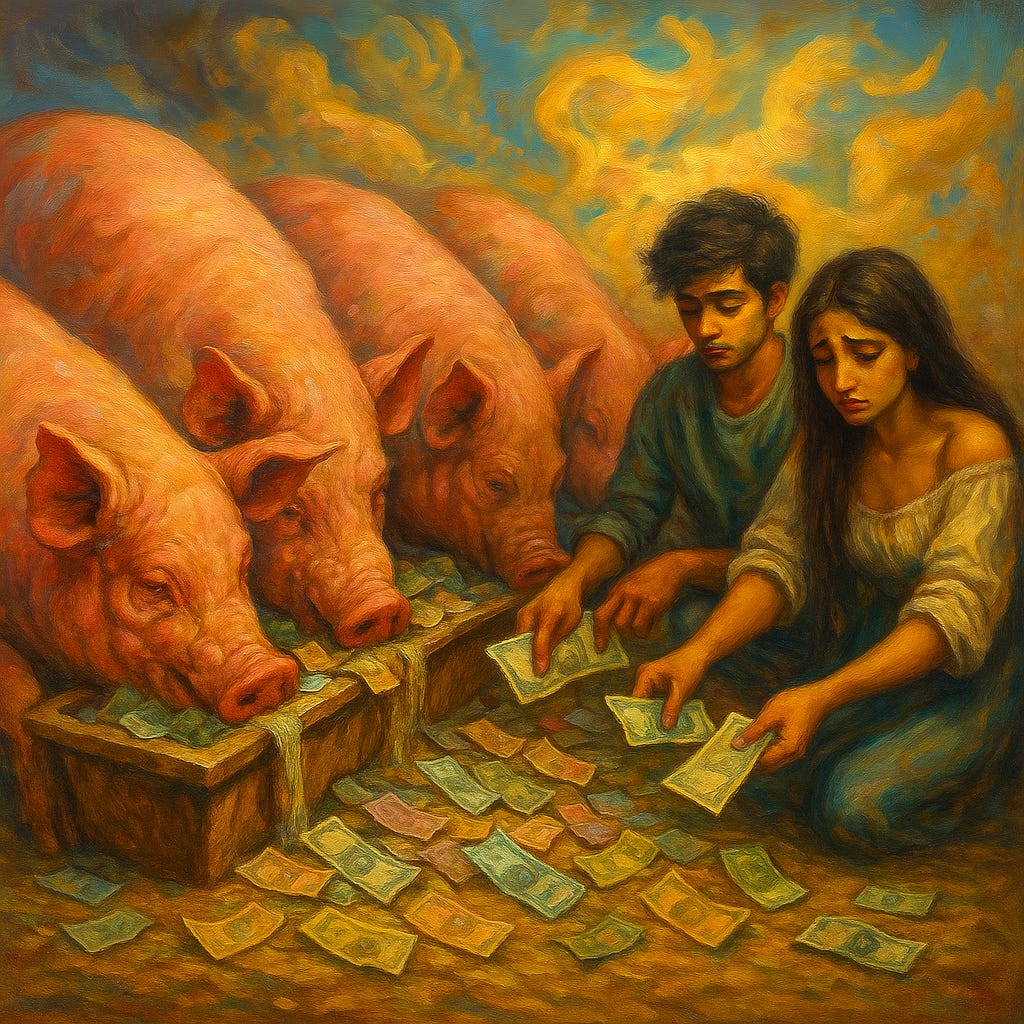
Because make no mistake: Canada has created a meat grinder and invited them to walk into it. Families sell land, mortgage homes, and drain their savings to send one child to Toronto. Here, that child pays three times the tuition of a Canadian, is denied dorm space, and is forced to find shelter in a Brampton basement where eight share a bathroom.
The universities pocket the cash and call it “diversity.” The landlords call it “market forces.” The rest of us, with a sneer, call it “too many.”
I have seen what follows. Students working twelve-hour shifts at cash-only jobs, too frightened to demand wages that never arrive. A girl collapsed in class from exhaustion because she had to mop floors until dawn. A boy was tricked into paying rent on a nonexistent apartment.
Another was conned out of $25,000 for a fraudulent immigration “consultant.”
Every rung on the ladder—employer, landlord, consultant, even sometimes their countrymen—lines up to plunder them. And yet the scandal, in Canadian mouths, is that they clog the housing market.
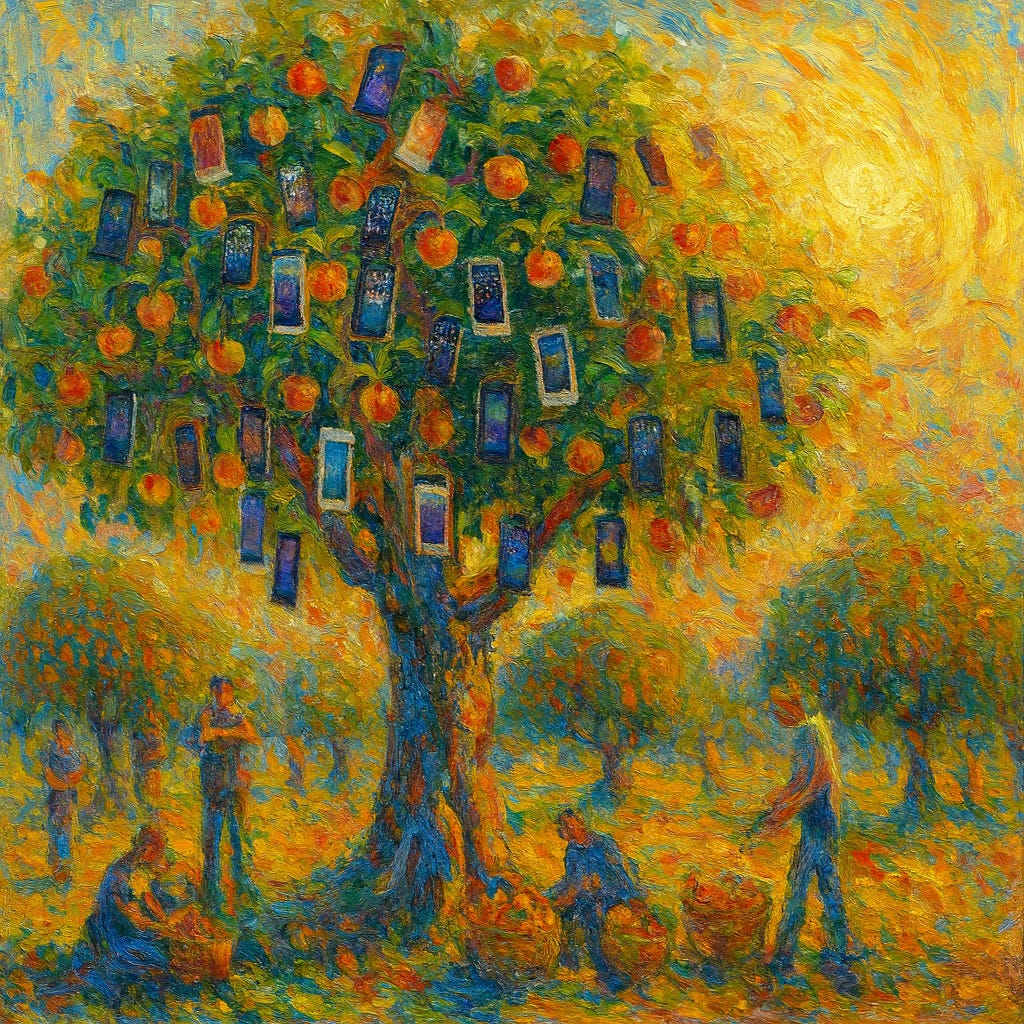
There are families in Indian who frequently think the Canadian streets are paved with gold, and cousins ask them to send them back a new iPhone, as if they could pluck them off a tree.
Academically, too, they are cast adrift. Many come from rote-learning systems. They copy and paste because they have never been taught otherwise.
They whisper in Punjabi during class, then beam when I bark, “Chup Kar Jao.” They laugh with relief that someone will meet them halfway. They are awkward, yes. Underprepared, yes. But they are alive with hunger, with humility, with the courage to leave everything they knew, which is more than can be said for the smug Canadian public that dines on their tuition and derides their accents.
When I think of them, I think of Gurpreet, whose two children cry nightly in Kerala while Gurpreet wipes her eyes in class.
I think of Simran, who writes essays about the loss of his grandfather’s land while Canadians dismiss him as just another brown kid.
These are not abstractions. They are not a “student intake number” on a government chart. They are not “global learners.” They are human beings, and they are my students.
And the hypocrisy of Canada is staggering. We preen about being a nation of immigrants while sneering at the newest ones. We boast of diversity while refusing them housing. We build our universities on their tuition while muttering that there are too many. We are a country that once made room for Irish widows, Ukrainian farmers, Sikh mill workers, and now we clutch our pearls at Jaspreet with his lentils in a plastic tub.
So let us dispense with the cant. They do not control the number of student visas allocated. That is not within their control.
There are too many of us who refuse to see them. Too many Canadians are so insulated by privilege that they cannot recognise themselves in a boy in a Brampton basement. Too many institutions are willing to take the money and wash their hands: too many sneers.
When you see them at Pearson, clutching folders, blinking in the fluorescent glare, remember: they are not the problem. They are the proof of Canada’s promise, if only we can manage the decency to honour it.
I care about my students. They have flaws, as we all do: they rely too often on the passive voice, they don’t always listen in class, their stories about medical emergencies or family obligations sometimes stretch belief, and they skim my announcements.
But when I look at them, I think of my ancestors. My grandmother came to Canada in 1904. Her Irish family believed in fairies, dressed strangely, and carried with them the awkward dignity of strangers learning to belong.
That is what I see in my classroom. Today, a student stands before me, tears in her eyes as she admits how desperate she is for a job. She is not rich; her father is a farmer. I’ve seen the photograph: a strong, sun-browned Sikh man with his wife and daughter, standing proud in their field.
Another student, Gurpreet, has two children at home in Kerala. Her husband remains there as well. The children are two and five years old. They do not understand why their mother is so far away, only that she is missing from their bedtime. Gurpreet tells me they cry at night.
I remember the ache I felt when my children—Vanya, twelve, and Sophia, seven—flew to Russia one summer to stay with their relatives. At the airport, when they left, I stood by the Starbucks in Terminal 3 and wept, a grown man undone in public.
So when Gurpreet shows me her photos, when I see her homesickness spill into tears, I understand.
Six weeks into that summer without my kids, I could bear it no longer. I bought a ticket to Russia on my credit card. Finnair promptly lost my luggage, but it didn’t matter. I arrived at my mother-in-law’s small apartment in Veliky Novgorod in the middle of the night.
At dawn, Sophia woke me. My red-haired girl flung her arms around me as if her father had crossed oceans just for her five-day smile. Soon after, Vanya bounded in.
I remembered him at two, before his mother and I married. I had visited them, unable to speak Russian, and he, without English. We walked together silently through a snowy park, and an old babushka stopped to fuss with his scarf. When I left each night, Vanya pulled the laces out of my shoes to delay my departure. He would not let me go.
Those memories are why I cannot see my Indian students as faceless “internationals.” They are dreamers, like our own ancestors. Gurpreet, Simran, and Dhyanu—each carries a burden and a story. The turbaned student you see walking down the hall may look like many others, but he is a man with a name. Ask him if he misses home or if he needs a job.
And that small young woman, barely five feet tall—she arrived in Canada only to learn that her aunt, uncle, and cousins were killed in a suicide bombing in Colombo. Her name is Elizabeth. She has no family here, and she is alone. Yet she studies, determined to graduate, to find work, to bring her fiancé over, to build a life.
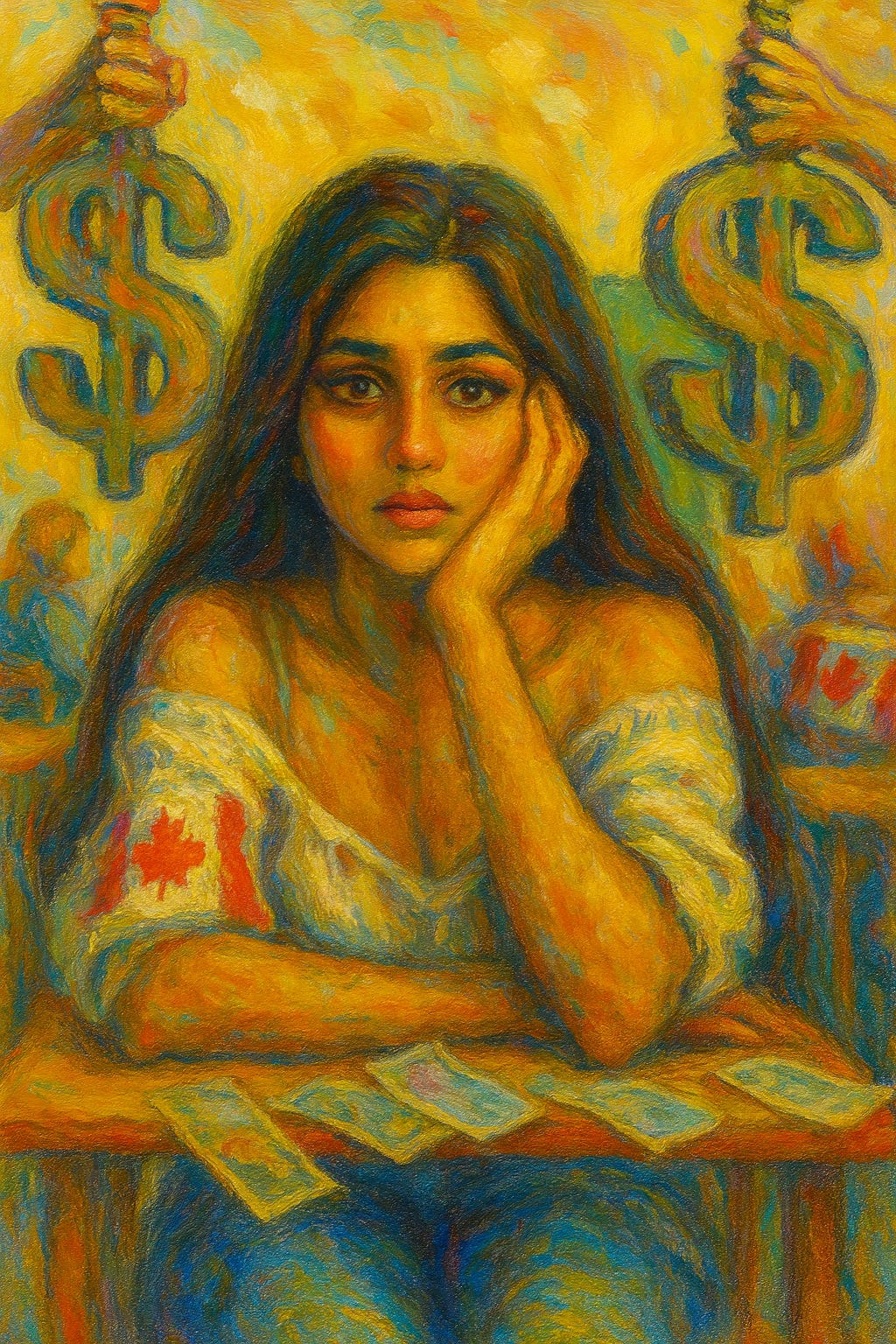
So when you see them, do not reduce them to numbers or stereotypes. They are not ATMs, nor quotas, nor bodies filling tuition targets. They are us. They love their children, their parents, and their grandparents.
They mourn, they yearn, they fight for a future. And I, who once wept at an airport gate as my children vanished beyond security, cannot see them as anything less than my students.
I will always stand with them.
If you found value in this article and wish to support my ongoing work, please consider leaving a tip. Your support helps me continue producing uncensored content on critical issues.
Beautifully shared information that would not have come across my radar. Thank you,Paul.
I certainly did not see racism, but empathy. Their struggles are huge and sad, and they are lucky to have you on their side. I hope that happens soon.