


Albert Einstein:
“Education remains after one has forgotten what one has learned in school.”
Mark Twain:
“I have never let my schooling interfere with my education.”
Socrates:
“I cannot teach anybody anything. I can only make them think.”
William Butler Yeats:
“Education is not the filling of a pail, but the lighting of a fire.”
If you believe in free speech—not the slogan, but the dangerous, untamed variety—then subscribe to support uncensored, heretical writing. Every paid subscription buys more time to write without asking permission from the sort of people who think “problematic” is an argument.
Please subscribe to receive at least three pieces /essays per week with open comments. It’s $6 per month, less than USD 4. And now take 50% off.
Everyone says, "Hey, it’s just a cup of coffee," but please choose my coffee when you come to the Substack counter. Cheers.
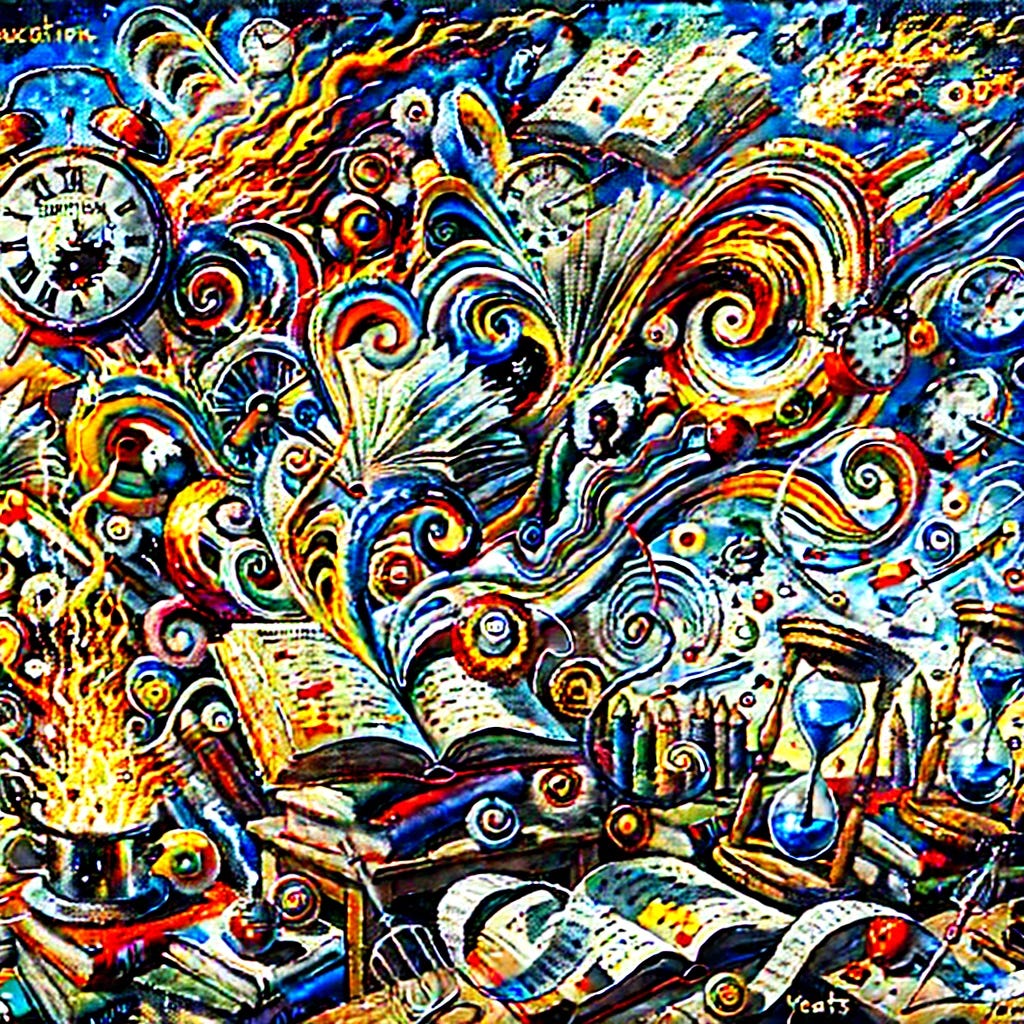
The Customer Is Always Wrong
Education — if the word is to mean anything beyond state-funded babysitting — is not the mere shuffling of facts from one set of lips to another set of ears. It is not the rote endurance test of high school “activities,” nor the mass cattle‑herding of post‑secondary credential factories.
Real learning — genuine, oxygenated learning — does not resemble a PowerPoint recital. It is friction, discomfort, argument and counter‑argument, and yes, the occasional wound to one’s sacred feelings. Without those wounds, there is no growth, only sedation.
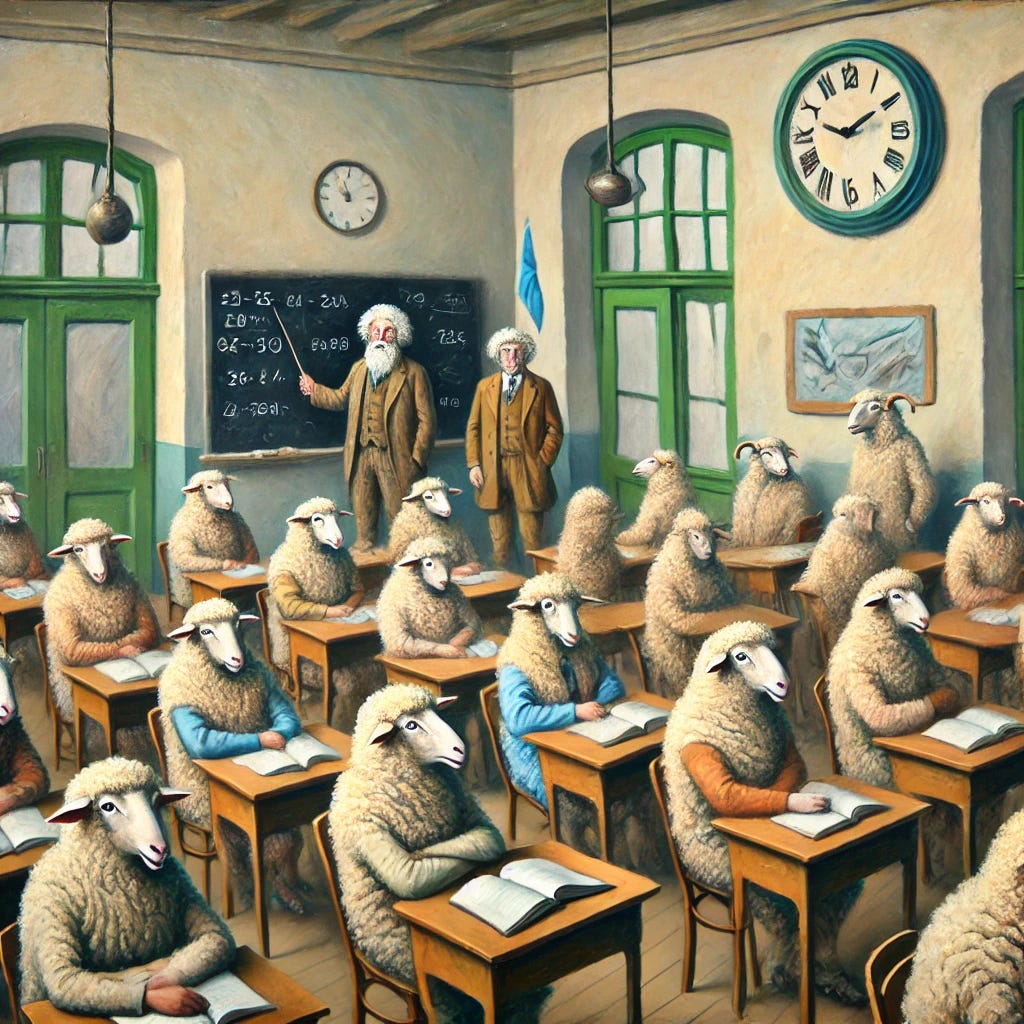
Yet what now masquerades as education is neither rigorous nor transformative. It is a bureaucratic pageant performed by exhausted instructors reading publisher‑provided slides to anaesthetised students, while administrators busy themselves erecting diversity murals and counting tuition cheques.
The result? Not citizens but customers: credentialed at high cost, low content, illiterate in history and allergic to dissent. The old Enlightenment ideals — inquiry, scepticism, courage — have been replaced by Maoist catechisms, slogans that tremble at the faintest whiff of controversy.
Canadian universities now market students as “customers,” a grotesque inversion of learning that would have made Newman or Mill vomit in their graves.
The University of Alberta’s 2022 Strategic Plan pledged “exceptional customer service,” while BCIT calls its students “valued customers.” Even UBC and Ryerson (now Toronto Metropolitan University) lace their strategic documents with “customer satisfaction” metrics — as though knowledge were a latte to be frothed and served lukewarm.
The University of Guelph’s 2022–2027 plan mentions “student experience” more than fifty times, promising exceptional satisfaction without once defining what learning is supposed to feel like. The language is that of spas and theme parks: maximise comfort, minimise friction, never disturb the customer.
Humber College may have perfected this descent into parody. In 2023, its student union unveiled a mobile app whose signature feature is a fake callout: press a button, receive an automated phone call, and escape an awkward social encounter.
This is not satire; it is official policy. A generation too brittle to say “sorry, I have to go” is now given institutional permission to fake phone calls rather than develop resilience. Humber touts this as “mental health support.” In truth, it is a technological enabler for ghosting reality — an official sanctioning of cowardice, dressed up as care.
Research on consumer‑oriented education (Naidoo & Jamieson, Studies in Higher Education, 2005) confirms what this spectacle implies: treat students like customers and you breed entitlement, erode resilience, and turn classrooms into complaint counters.
Education is precisely the one sphere where the “customer” must never be right; the entire point is to confront ignorance, not flatter it.
Flatten that friction into “service” and rigour dies. Grades inflate, grievance replaces curiosity, and professors are punished for “brand harm.” The academy ceases to be an agora and becomes a mall: sterile, pacifying, profitable — and catastrophically stupid.
And this infantilization is not limited to institutional branding. It infects pedagogy itself. How often do I hear of professors failing students for refusing to parrot their opinions? How often do I witness courses degenerating into weekly polemics — sanctimonious sermons where the lecturer, so marinated in self‑righteousness, is reduced to tears of indignation at their moral courage? Tears, one might add, unearned by either truth or risk.
No, I am not calling for doom. Hope, that stubborn tenant, still lives — bruised, cornered, but breathing. But optimism is not idiocy. To refuse to see rot is not virtue; it is blindness. A “hear no evil, see no evil” pedagogy produces graduates fluent in hashtags but mute in thought, allergic to disagreement, and primed for outrage at the first scent of intellectual discomfort.
Consider Toronto’s sprinkling of teachers, so inflated with their moral certainty that they drag twelve‑year‑olds to anti‑Israel rallies during school hours. Indoctrination is bad enough; conscription of children into it is a crime. Fire them. Investigate them. Yet we do nothing.
Because in Canada, such zealotry passes as civic virtue — while free speech at universities like Guelph earns you persecution at the hands of fanatics who now find common cause with Hamas, a terrorist outfit whose founding charter drips with bloodlust for Jews and contempt for unbelievers.
Canada’s education system — this vast ship of culture — lists a degree off course each day.
One degree today, one degree tomorrow, and the iceberg is inevitable. We still produce bright spots: heroic teachers and professors who fight mediocrity daily. But too many classrooms now pass for group therapy sessions or DIY talk shows where students “teach themselves” while the instructor scrolls their phone in the corner. The rituals of rigour — the catechisms of thought — are hollowed out and replaced with something far worse: performative empathy.
If this is education, then ignorance might at least be honest.
This decline in rigour doesn’t just insult the classroom; it corrodes the culture beyond it. Credentialism, our new civic religion, promises salvation through diplomas rather than knowledge. We churn out graduates who can list pronouns on a resumé but struggle to write a paragraph.
Reading — once the foundation of a citizen’s mind — has collapsed into scrolling. A population untrained in long-form thought becomes prey to slogans, hashtags, and conspiracy memes, mistaking noise for argument and emotion for evidence. The “educated” now emerge less informed than their grandparents — but festooned with certificates and suffused with entitlement.
I have seen instructors play pre-recorded Covid-era lectures while reading newspapers in the back of the room. I have seen “supervisors” award 80 percent to entire classes for identical work. I have seen grade inflation so obscene it borders on parody — instructors promoted for their softness, department heads punished for demanding standards.
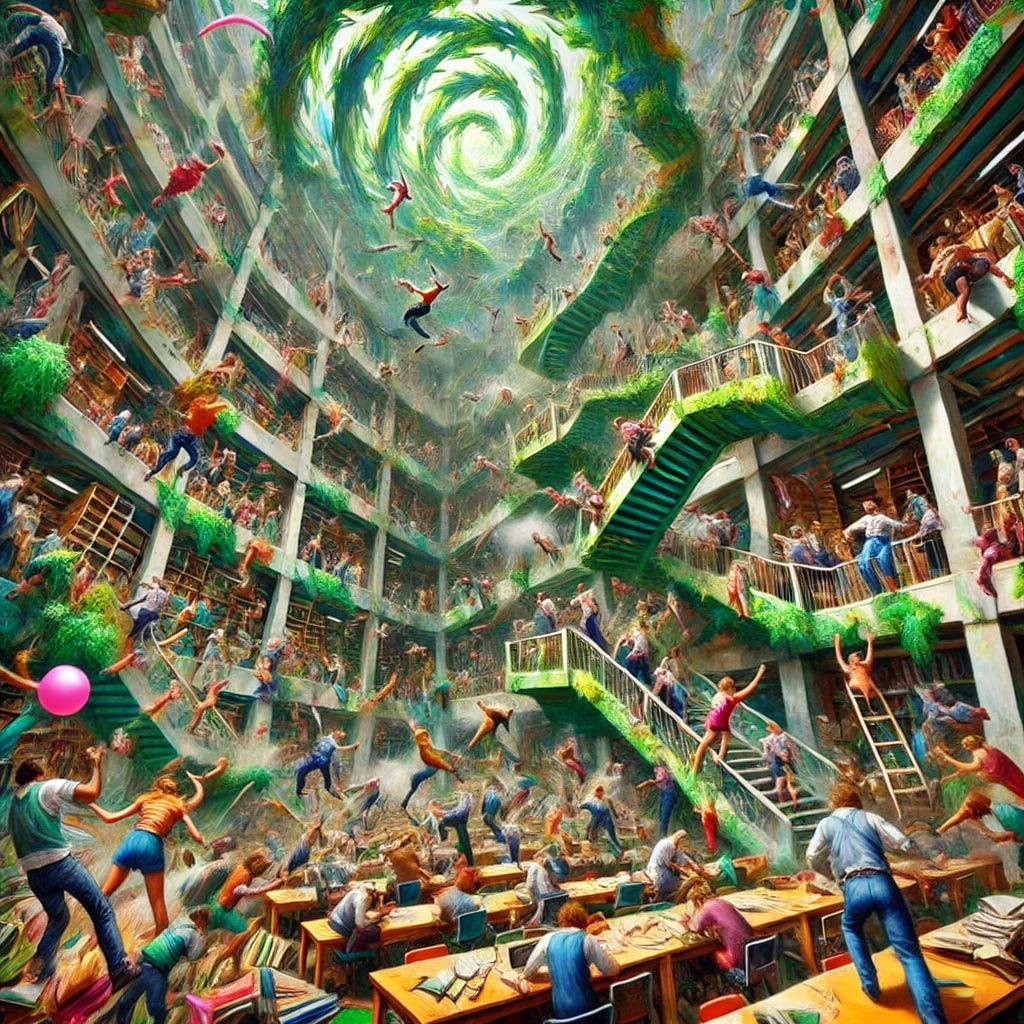
A newly hired professor — armed with a PhD from a university no one had heard of — taught her first course, where the class average hit an astonishing 96 percent. Students, openly trading answer keys, laughed about how little they’d learned. Her reward? A promotion, justified in whispers about “needing more women” and the convenient diversity points of her South American background.
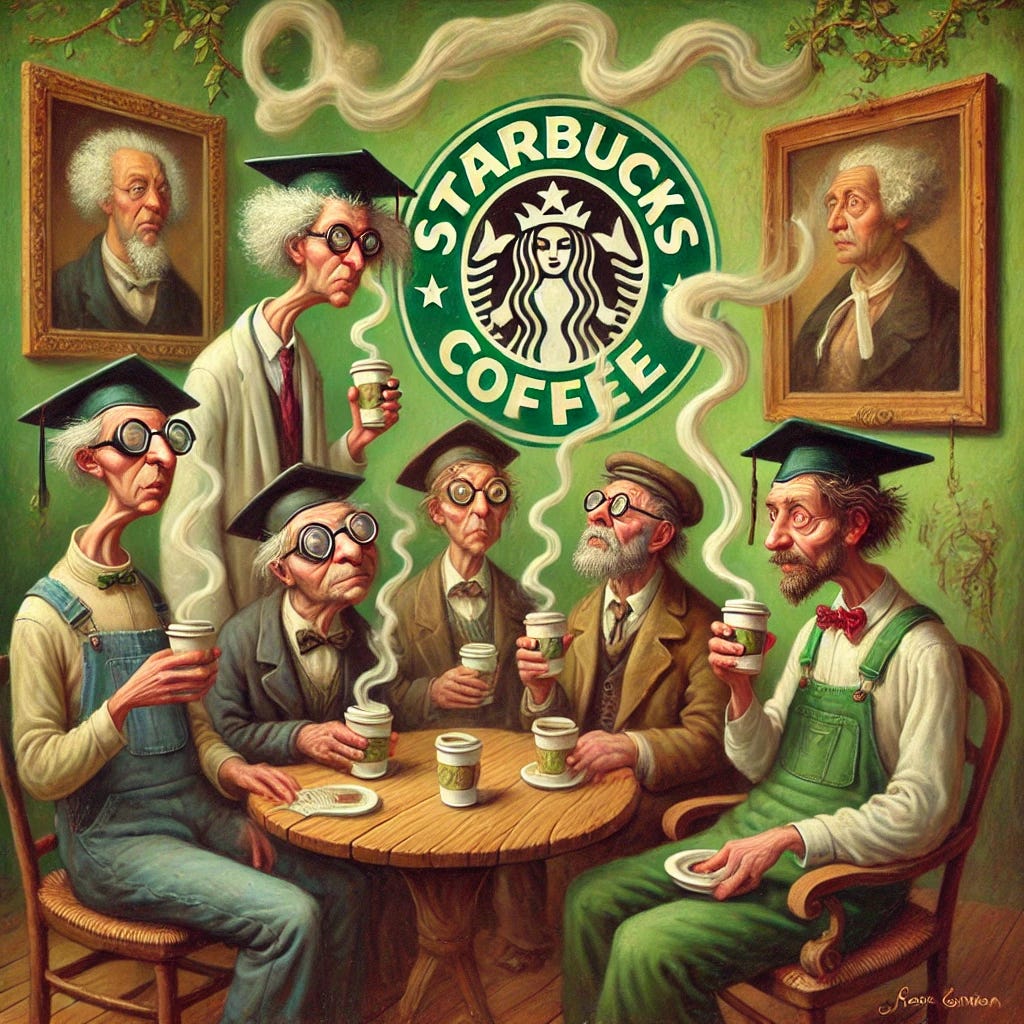
Why? Because friction — the lifeblood of learning — terrifies administrators. Their ideal professor isn’t Socrates but a smiling barista in the grand café of credentialism: keep the lattes warm, keep the customers happy, and above all, never upset anyone.
I remember waiting tables at Olive Garden in my misspent youth, where the trick to surviving busy nights was to look harried: walk briskly, furrow the brow, mutter “so busy.” This technique saves you from having to wipe down tables.
In academia, the same pantomime applies. The administration walks quickly, clutching clipboards, murmuring about “initiatives” — all while the actual business of learning starves to death in the corner.
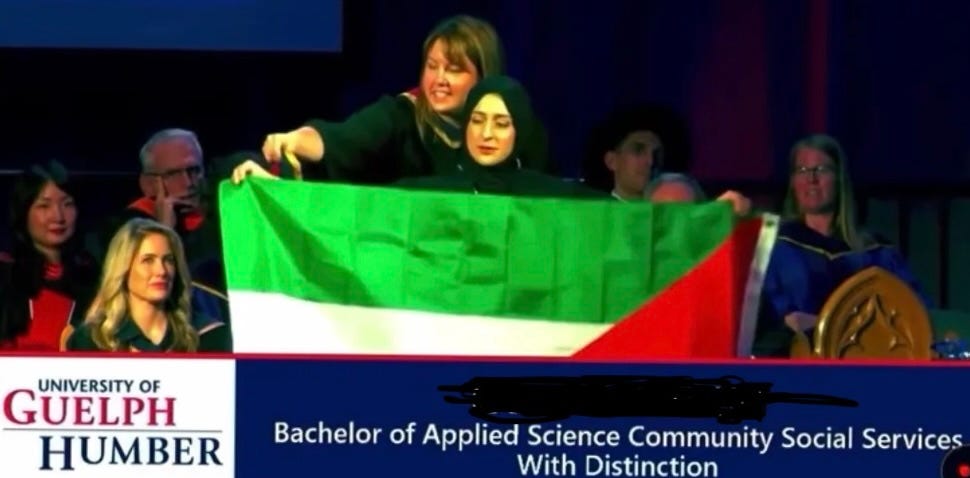
And free speech? A church sermon on chastity delivered from a choir loft mid‑orgy. Universities preach tolerance and diversity while tacitly endorsing atrium chants of “F*** Zionists” and waving keffiyehs and Palestinian flags at convocation. The hypocrisy is not incidental; it is structural.
We have high literacy rates but no readers—a landscape of degrees but no thinkers. We boast of “quality education” while churning out graduates who cannot reason beyond memes, who conflate feeling with fact, and who are, in the bleakest irony, both thin-skinned and empty-headed.
Credentialism now eclipses learning. Parents, eager to prove their spawn “gifted,” lawyer their way into ADHD diagnoses to secure double exam time. High school teachers, under pressure to boost graduation rates, pass students who cannot write coherent paragraphs. Universities, desperate for revenue, fling open their gates to international students — some stellar, others ninth-grade level — not for diversity’s sake, but for tuition dollars.
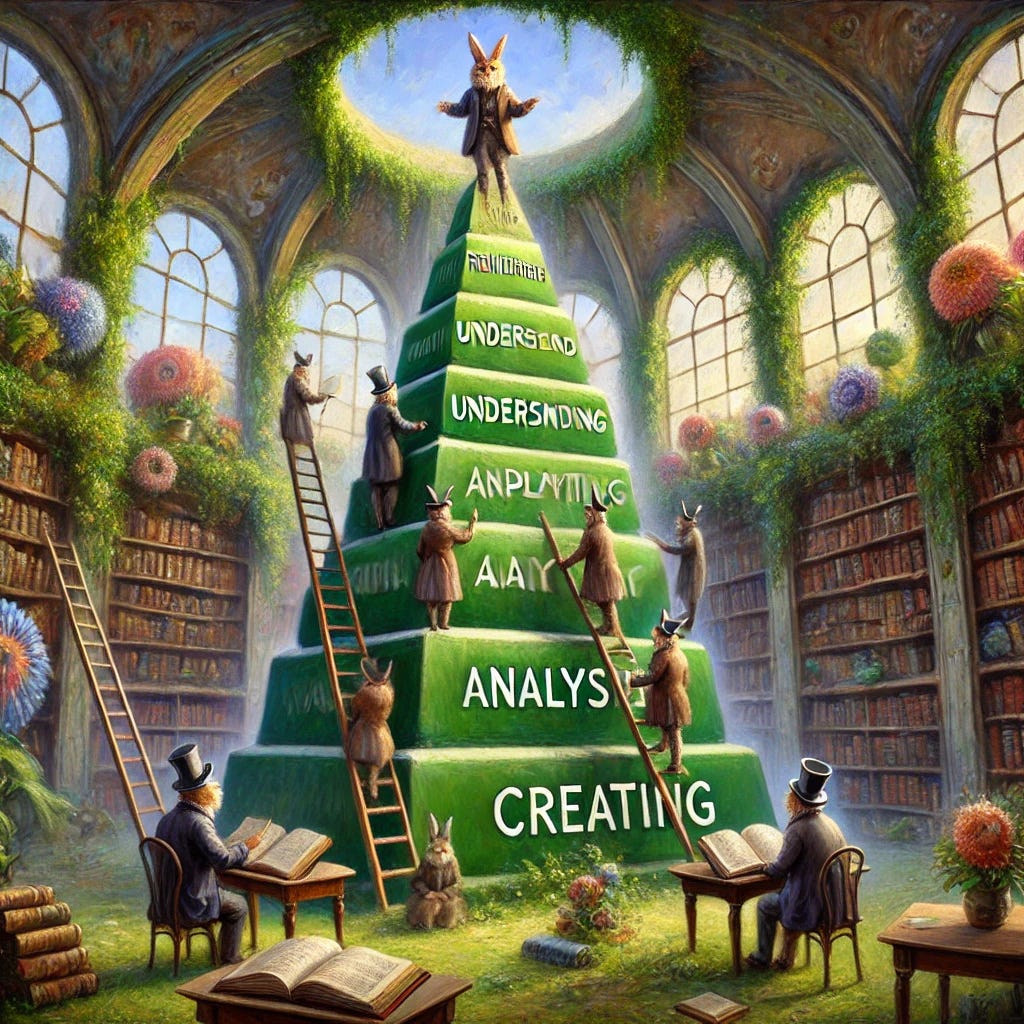
The result? A race to the bottom disguised as equity. Degrees multiply; skills atrophy. Grade inflation becomes policy—employers, faced with walls of framed parchment, quietly lower expectations. And students, conditioned to equate credentials with competence, graduate stunned to discover their BA in grievance studies fetches them less than a plumber’s wrench.
Nor is this solely a Canadian malaise. Across the West, critical thinking plummets. A landmark study by the Council for Aid to Education found that 40 percent of U.S. college students show no significant improvement in reasoning after four years. In Britain, daily reading has fallen to 26 percent from 56 percent in the 1970s; in Canada, just 19 per cent of adults now read books regularly.
We’ve replaced paragraphs with push notifications, essays with emojis. A civilisation that once produced Beethoven and Kant now devotes its synapses to TikTok dances and Netflix recaps.
This intellectual anorexia invites tyranny. Populations that cannot read cannot reason; populations that cannot reason cannot resist. Authoritarians require only apathy, and apathy is the drug of choice for our digital age. When “expert” becomes a synonym for “shut up and obey,” and “research” means whatever you last scrolled past, civic debate withers. In its place, algorithmic mobs and curated outrage.
Our universities, meanwhile, gorge on buzzwords: “inclusive growth,” “resilient communities,” “transformative equity.” It’s the lingua franca of Davosese — the managerial drone of people mistaking platitude for policy, compassion for cowardice. Mark Carney could deliver a TED Talk at Auschwitz about “harmonising values” and be applauded for his tone.
And yet, amid this cultural decay, there are still teachers — battered, maligned, ignored — who strive for the old ideals: the courage to offend, the discipline to challenge, the nerve to demand excellence. They survive, barely, in the cracks of a system that punishes rigour and rewards mediocrity.
But let us be clear: without friction, there is no fire. Without discomfort, there is no growth. Education cannot be “cool.” It cannot be customer service. It must sting, and it must liberate. Otherwise, it is not education at all — it is daycare with debt.
The ship has dropped its sails to avoid the storm, forgetting the anchor. We drift, smug and oblivious, congratulating ourselves on “accessibility” while the hull quietly rots. Suppose we continue to trade learning for credentials, reason for feelings, and courage for comfort. In that case, we will find ourselves — like Yeats’ fearful century — surrounded by passionate intensities and bereft of conviction. And when that moment comes, history will not bother to forgive us. It will barely remember we tried.

If you value this work, consider leaving a tip. It’s cheaper than therapy, less pious than public broadcasting, and the only censorship here is my bad taste. On second thought, it’s bad therapy.