


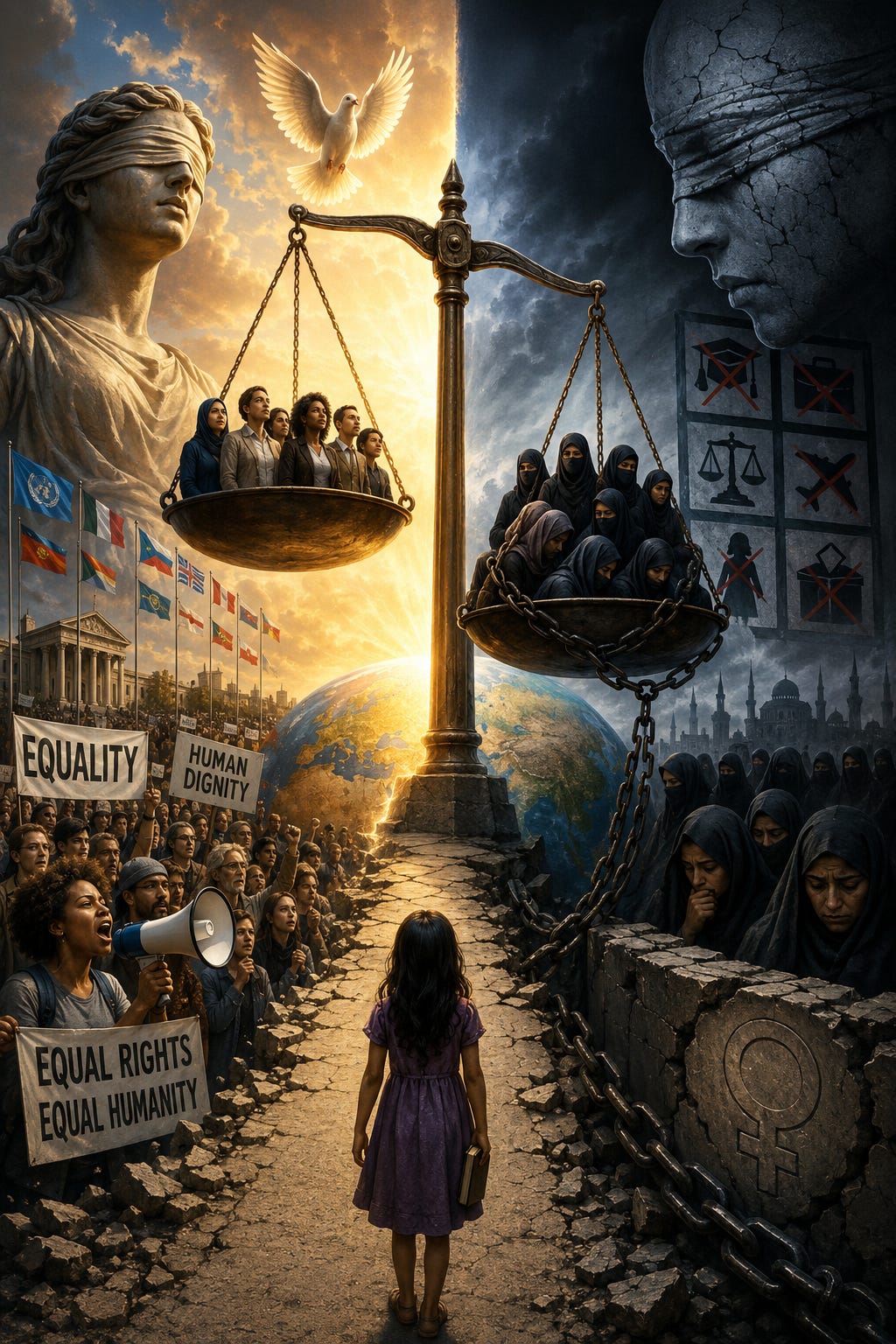
Part One
There was a time when the word apartheid had genuine moral gravity. It was not a slogan. It was not a cultish campus chant. It was not a rhetorical weapon to be swung at political opponents. It described something concrete, something measurable, and something profoundly evil: a legal system in which the state itself assigned different rights to different human beings because of the immutable characteristics of race.
South African apartheid did not merely tolerate prejudice; it codified it.
Beginning formally in 1948 under the National Party, a web of legislation divided citizens according to race and then determined where they could live, whom they could marry, what schools they could attend, what jobs they could take, where they could travel, and whether they possessed meaningful political rights. The Population Registration Act classified every citizen by race. The Group Areas Act dictated where each racial group could live. Pass laws restricted movement. Black South Africans…
