


“Things fall apart; the centre cannot hold;
Mere anarchy is loosed upon the world,
The blood-dimmed tide is loosed, and everywhere
The ceremony of innocence is drowned;
The best lack all conviction, while the worst
Are full of passionate intensity.”
— W. B. Yeats, “The Second Coming”
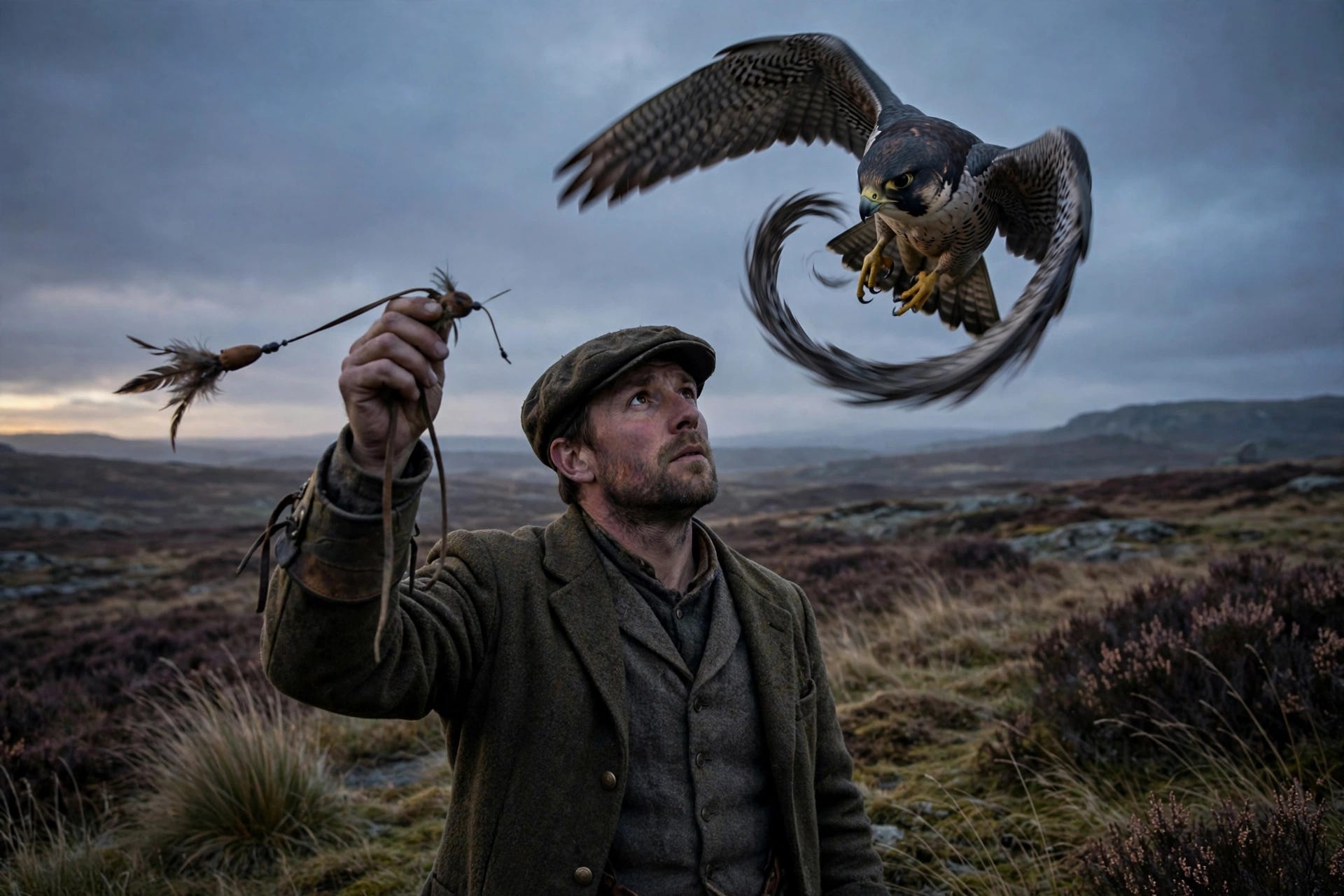
Yeats wrote those lines in January 1919, and it is worth pausing over what he was actually talking about, because it is what I am talking about.
He was not describing an event. The Great War had just ended; the Russian Revolution was baptizing itself in blood; Ireland, his own country, was ambling toward civil war. But the poem is not about the war, or the revolution, or Ireland. It is about a madness rising up from the soil. About a spirit loosening itself in the world. “Turning and turning in the widening gyre,” the falcon spins out beyond the falconer’s voice — beyond recall, beyond instruction, beyond reason.
What Yeats saw rising was not an army. Armies can be fought. What he saw was a wildness: the moment w…