


If you’ve made it this far in life without being fired, cancelled, or publicly flogged for saying something true, congratulations — you’re ahead of me. I write because I can’t not; because silence feels like complicity, and complicity feels like rot. If this piece leaves you nodding, snarling, or muttering, “Well, he’s not wrong,” then you’re precisely the reader I’m writing for.


You’ll get two essays a week — unapologetically long, occasionally bleak, often funny, always honest. It’s eight bucks a month — less than one coffee in Carney’s Canada, or two if you buy the cheap stuff. Everyone says that, of course: “It’s just a cup of coffee.” Fine. But if you’re only going to buy one cup this month, make it mine. It’s $8 a month, and you can cancel anytime.
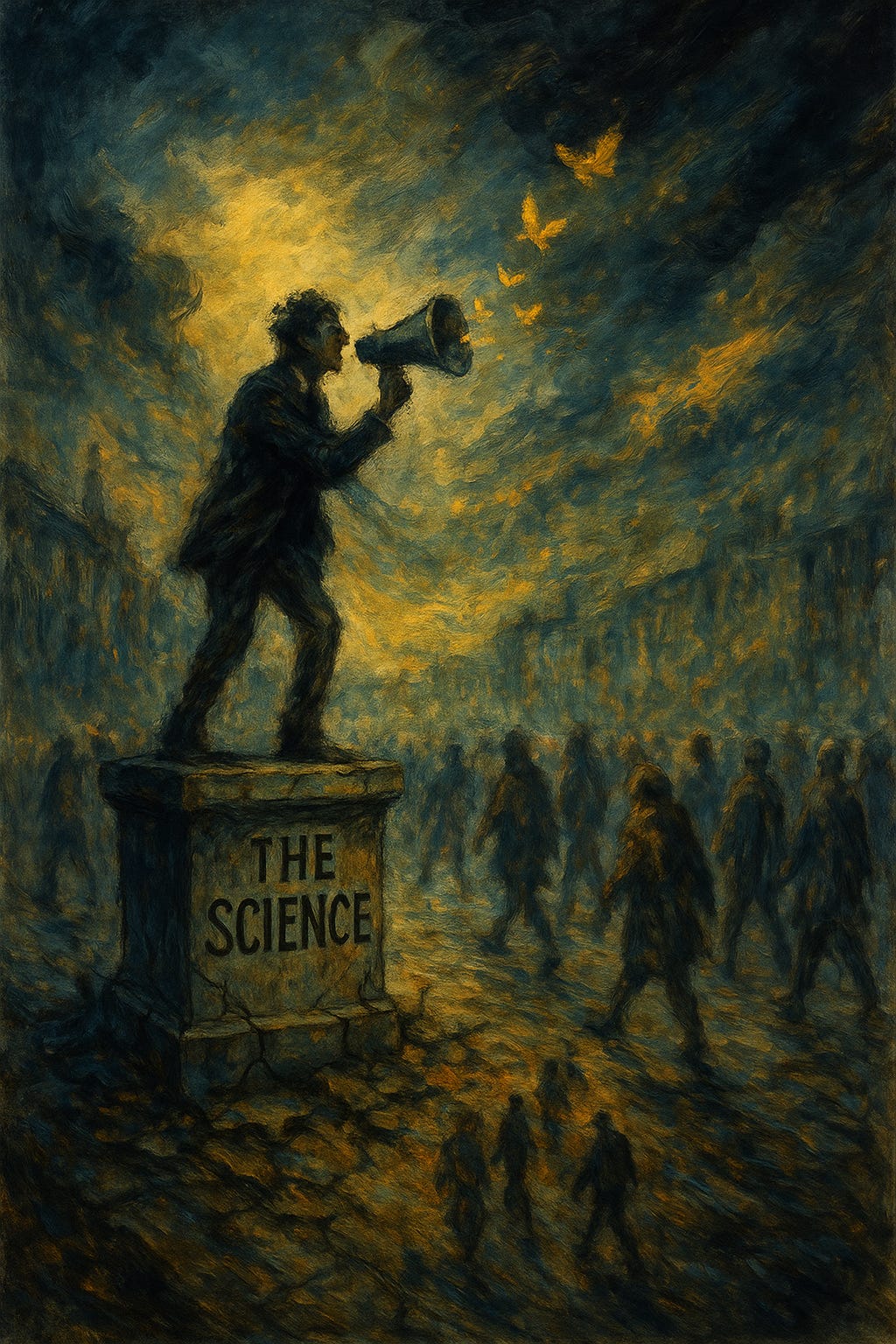
Every era of mass panic eventually burns itself out. Tulip mania collapsed. The satanic panic exhausted itself. The eugenics craze withered under its own grotesque weight.
The terror that comic books would turn children into goose-stepping fascists faded once adults discovered that children could, in fact, read Batman without reenacting the Reichstag.
And now, after decades of thunderous prophecy, theatrical fear campaigns, and the moral exhibitionism of a generation lectured into paralysis, the great climate hysteria is entering what appears to be its long, overdue final act. The world—everywhere except Canada, that reliable hospice for dead ideas—has begun to sober up.
The thesis is simple enough to scandalise only those still clinging to the catechism: the climate panic is dying not because the planet has cooled, but because the apocalypse refused to arrive, the public has grown bored, the markets revolted, and even the priests of doom have quietly left the temple. As with every hysteria in human history, it endures only until the audience tires of being afraid.

Take Greta Thunberg, the teenage oracle who once commanded presidents to panic on cue. Her original prophecy—human extinction from fossil fuels within a few short years—never materialised. The seas did not swallow Manhattan. Europe did not ignite. The Maldives are somehow still above water. And so, having exhausted the climate as a stage for moral exhibitionism, Greta executed her most revealing pivot: she moved on from global warming to Jews.
It is grotesque, yes, but also inevitable. When one apocalypse dries up, the professional prophet simply finds another. She did not abandon hysteria; she merely traded up.
More decorously, Bill Gates has staged his own quiet retreat. The man who once built an empire around climate philanthropy has dissolved his climate policy office and, in a tone almost apologetic, conceded that global warming is not the end of civilisation.
This is from the same man who once mocked sceptics for suggesting that the Earth might warm mildly rather than combust in operatic flames. But prophets soften their language when the congregation drifts away.
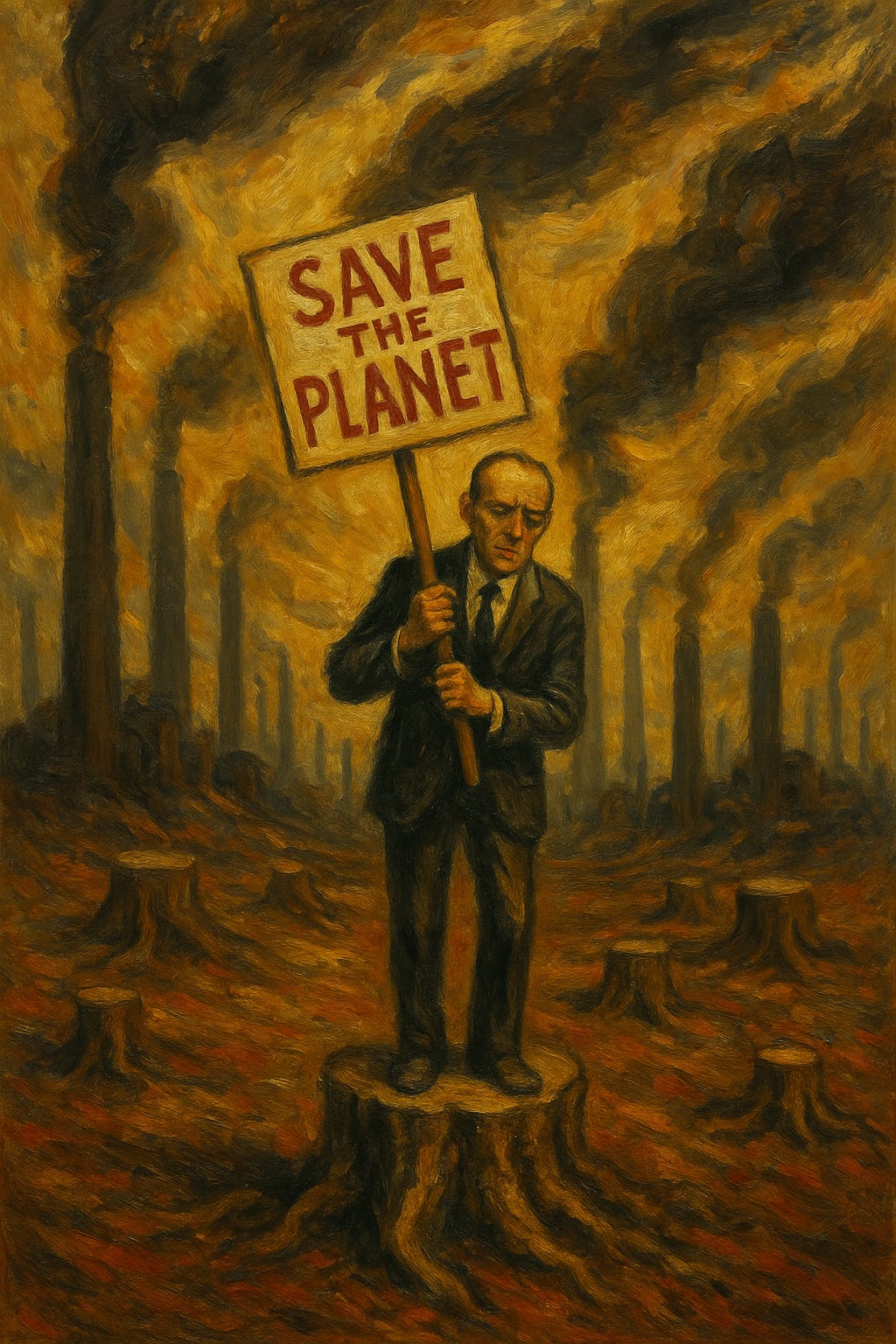
And drift they have. Public concern about climate has deflated like a punctured bouncy castle. In the United States, Gallup finds that only about 43 percent of Americans say they are “worried a great deal” about global warming, and Yale’s more precise polling suggests that the truly “very worried” camp is closer to 29 percent.
After a generation of schoolchildren were terrorised with Al Gore’s hysterical climate-porn apocalypse films—marched into auditoriums to watch oceans rise in CGI and Florida sink beneath biblical floods—even they now shrug. The very cohort raised on PowerPoint Revelations has moved on; seven out of ten young Americans say they are not “very worried” about climate change, being far more animated by rent, wages, anxiety, dating apps, and the price of iced coffee than by carbon dioxide. The doomsday conditioning simply didn’t stick.
Al Gore, however, did.
When he left the vice presidency in 2001, Gore’s reported wealth amounted to a few million dollars. Since then, as the world’s most recognisable prophet of climate catastrophe, his fortunes have soared into the hundreds of millions. He earned roughly $100 million from the sale of Current TV, sat lucratively on corporate boards, collected six-figure speaking fees, and co-founded a “sustainable” investment firm managing billions in assets—extracting tidy returns from the very crisis he warned would upend civilisation. By the mid-2020s, his net worth was widely estimated at around $300 million.
So while the promised floods failed to arrive on schedule and the children eventually noticed, Al Gore has done extraordinarily well by climate change. Being wrong, it turns out, has not hurt him in the slightest.
In Sweden, the cradle of Greta-ism, climate concern among youth has slipped down the worry table, below housing, mental health, and financial prospects. Across Europe, the share of citizens listing climate change as a top-tier threat has fallen sharply since 2019. Even in Canada, where politicians recite climate slogans with the zeal of monks transcribing scripture, the percentage of voters listing climate as their primary political concern has collapsed from 40 percent in 2019 to roughly 22 percent. The panic has cooled.
The marketplace, that unromantic adjudicator of human folly, has delivered its verdict. The Net-Zero Banking Alliance—once the Vatican of environmental virtue-signalling—collapsed after JPMorgan, Citigroup, Wells Fargo, Bank of America, Goldman Sachs, and Morgan Stanley staged a mass breakout. Ford abandoned its electric pickup trucks because, in a revelation that shocked absolutely no one outside the consulting industry, nobody wanted them. Shell and BP rediscovered the ancient truth that selling oil is profitable. Australia declined to host the next climate conference. Even the European Parliament has quietly loosened reporting requirements after realising it is difficult to run an economy on PowerPoint.
None of this would matter if the predictions had come true. But they did not. We were promised biblical catastrophe: famines, hyper-hurricanes, drowning coastlines, megadroughts, mass extinctions. What arrived instead was modest warming—mostly in northern winters and, crucially, at night—modest sea-level rise with no sign of acceleration, a decline in climate-related deaths, no upward trend in natural disasters, and a greener planet thanks to CO₂ fertilisation.
Indeed, one of the more inconvenient facts is that far more people die from extreme cold than from extreme heat—by a large margin. In North America and other temperate regions, winter cold has historically killed several times as many people as summer heat, particularly the elderly and the poor. As nighttime temperatures in northern latitudes have risen, cold-related mortality has quietly fallen. The result is not speculative or ideological but statistical: tens of thousands of lives are likely spared each year across developed countries because winters are less lethal than they once were. Global warming, at least so far, has been a net lifesaver.
This reality—stubborn, empirical, and dull—is not what Al Gore advertised when he promised twenty-foot walls of water “in the near future.” The apocalypse failed to arrive. The winters merely got milder.
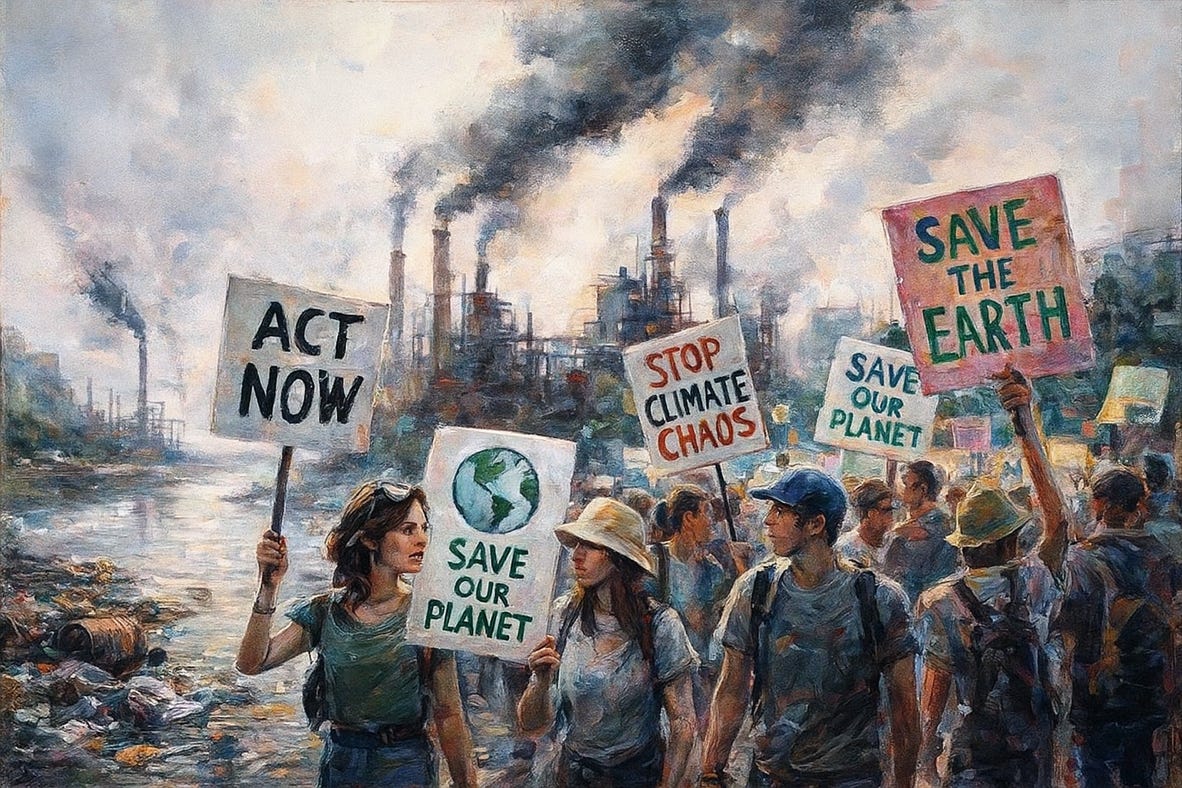
Then comes the physics: the part of the sermon that activists never liked to discuss, after trillions in subsidies and decades of messianic promises, wind and solar still generate only about six percent of global energy. Their intermittency demands full fossil-fuel backup. Their machinery is forged in coal-fired factories. Their land requirements are astonishing. Despite substantial investment, the world added more fossil fuel consumption than renewable energy consumption over the last decade. This is not a transition; it is a rounding error with a publicist.
Meanwhile, the opportunity costs have been grotesque. Sceptics such as Bjorn Lomborg have spent a quarter-century pointing out that the money squandered on climate theatrics could have cured blindness, delivered sanitation to the poor, eradicated malaria, electrified hospitals, and saved millions of actual, breathing children. Instead, we spent it subsidising the anxieties of wealthy Westerners who insisted that African villagers must wait for wind turbines that cannot power a hairdryer on a calm day.
And then we arrive at Canada—hysteria’s Last Stand. If the world is backing out of climate alarmism, Canada is sprinting toward it like a pilgrim to a dying shrine. Canada is always five to ten years behind the fashion curve.
If climate panic is fading globally, Canada treats it as couture. Just as the world retreats from gender ideology—shuttering Tavistock, reviewing medical protocols, and rediscovering biology—Canada marches forward in perfect, oblivious lockstep.
Canada is the child who licks the frozen bike rack, rips off half his tongue, goes inside bleeding, and does it again the next day. The other children learned. Canada did not. Canada perseveres in error with a heroism normally reserved for tragedies.
This is a country with the natural wealth of a superpower—oil, gas, minerals, forests, farmland—yet governed by people determined to behave like a resource-poor monastery—a nation with the body of a Ferrari and the brain of Mattel. Instead of capitalising on its abundance, it indulges in moral acrobatics: carbon-neutral oil, carbon-capture fantasies, regulatory quicksand, and a prime minister who has never had an original idea but is always the last man to board every ideological bandwagon. In his own book, he writes earnestly that banks, corporations, and financial systems should be reorganised around “values”—meaning ideological compliance disguised as fiscal prudence. It is a spiritual confession masquerading as economic policy.
The tragedy of the climate hysteria is not just that it is exaggerated. It squandered. It devoured resources, credibility, science, and political attention that might have been spent addressing real afflictions: energy poverty, sanitation, disease, malnutrition, and premature death. Instead, we built a moral empire on a prophecy that would never come true.
But hysterias, like fashions, have their seasons. And when the season ends, the garments of panic look embarrassing. The world is rummaging through its ideological closet, holding up the ripped jeans and flare pants of climate alarmism and asking: Did we really think this made us look intelligent? Did we truly believe this was a high principle?
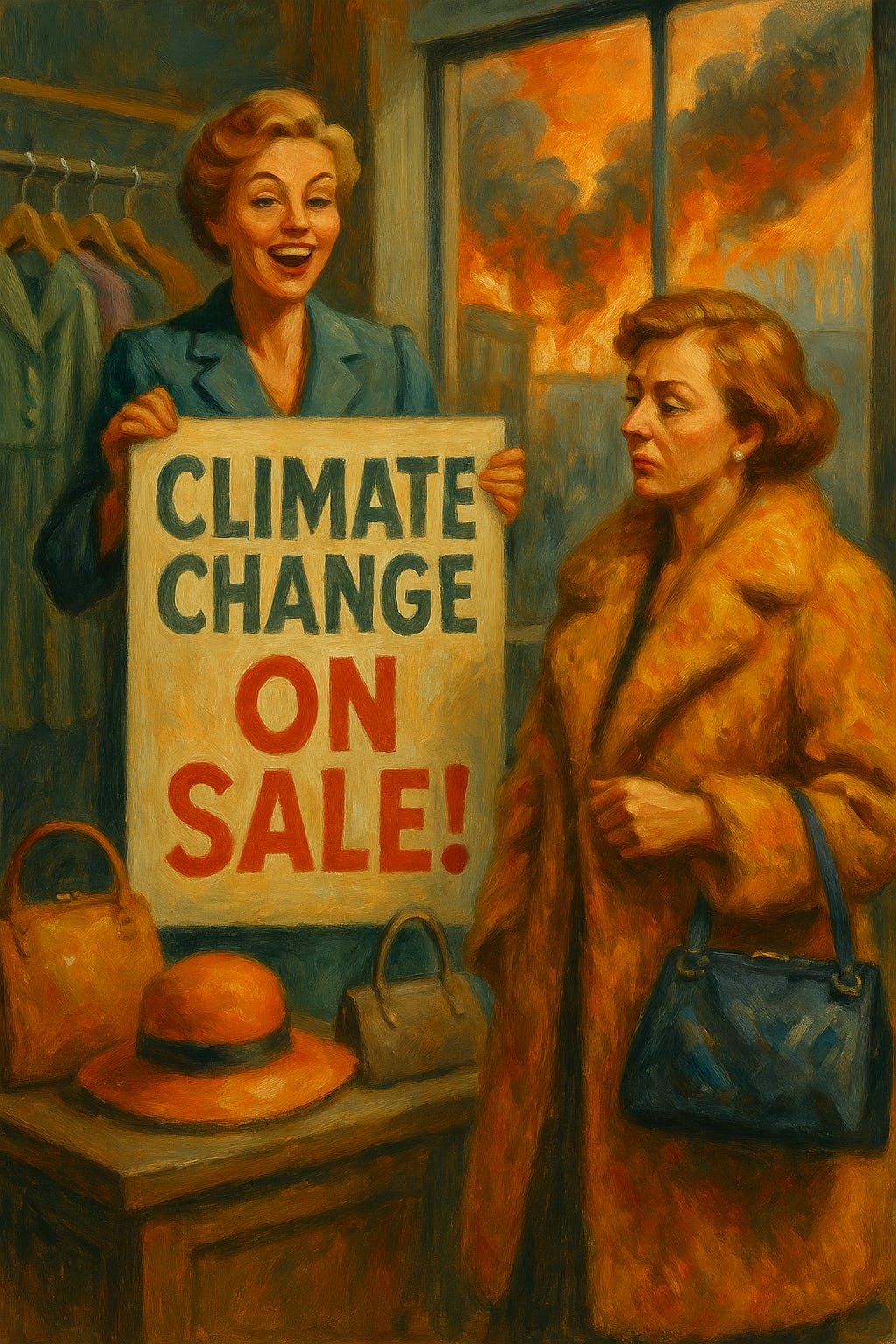
Some will cling to the old fashions out of nostalgia. Some will try to resell them as vintage. Most of us, having regained basic sanity, will stuff the whole pile into a garbage bag and send it to Goodwill or to a grandmother who will convert the ideological tatters into cleaning rags. That is the fate of worn-out fashions—and worn-out moral panics.
The world is already moving on, searching for its next great thing to fear, worship, or ban. Only Canada stands stubbornly at the bus stop of history, clutching its outdated outfit, insisting the trend will surely return.
And so the great climate hysteria ends as all fads do—not with revelation, not with revolution, but with the simple truth that it is no longer in style.
If you found value in this article and wish to support my ongoing work, please consider leaving a tip. Your support helps me continue producing uncensored content on critical issues.
Wow! I’m obviously too naive to anticipate that our climate prophets were actually engaged in a lucrative wealth-building strategy. I’d love to see how much of Carney’s portfolio benefits from this.