If you believe in free speech—not the slogan, but the dangerous, untamed variety—then subscribe to support uncensored, heretical writing. Every paid subscription buys more time to write without asking permission from the sort of people who think “problematic” is an argument.
Please subscribe to receive at least three pieces /essays per week with open comments. It’s $6 per month, less than USD 4. And now take 50% off.
Everyone says, “Hey, it’s just a cup of coffee,” but please choose my coffee when you come to the Substack counter. Cheers.
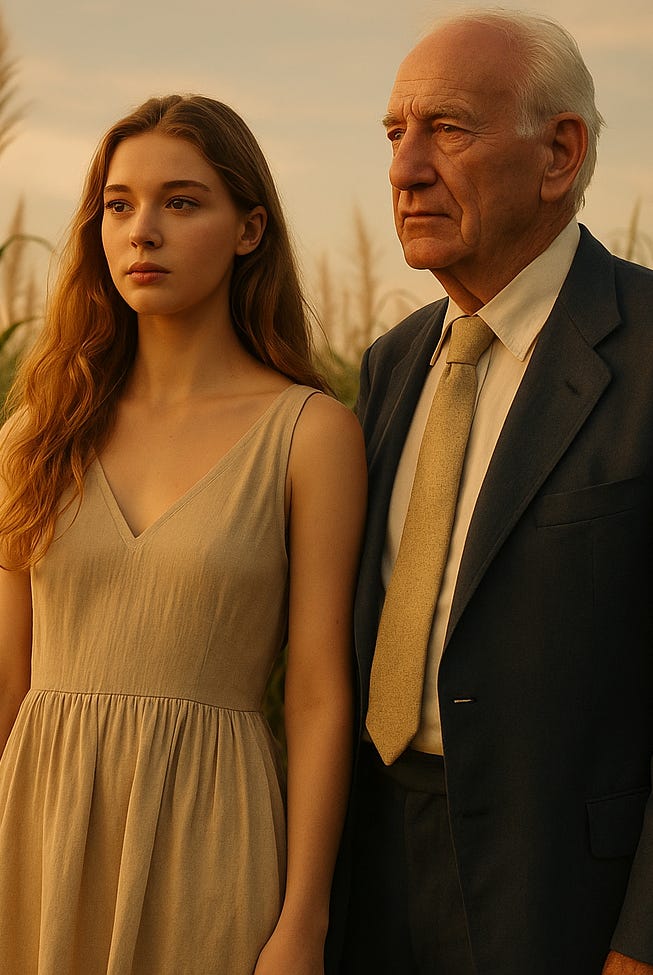
Sugar dating is the modern euphemism for an arrangement in which an older, wealthier partner provides financial support to a younger one in exchange for companionship, intimacy, or both. Escorts sell hours; sugar dating sells continuity.
That distinction may sound cosmetic, but to the participants, it’s everything.
A sugar baby can claim to be “dating,” not “working.” A sugar daddy can claim he’s “supporting,” not “buying.”
The euphemism is the lubrication that keeps both sides from choking on the reality.
Ancient lineage
None of this is new. Roman senators kept mistresses, Greek elites entertained hetaerae, and Chinese emperors tallied concubines in ledgers. Ottoman sultans curated harems. French kings installed maîtresses en titre at Versailles.
Victorian London’s gentlemen rented flats for “kept women,” their upkeep buried discreetly in ledgers. Marriage itself was rarely about romance; it was a political alliance, a dynastic arrangement.
Wives produced heirs. Lovers supplied novelty.
The sugar baby is not an invention but a rebrand — a courtesan with Wi-Fi and an Instagram filter.
The word itself
“Sugar daddy” entered American slang in the early twentieth century, as shorthand for businessmen who associated with flappers or chorus girls. The image was risqué but transparent: an older man with money, a younger woman with beauty, and a transaction camouflaged as companionship. Mistress culture never vanished — it merely softened its edges.
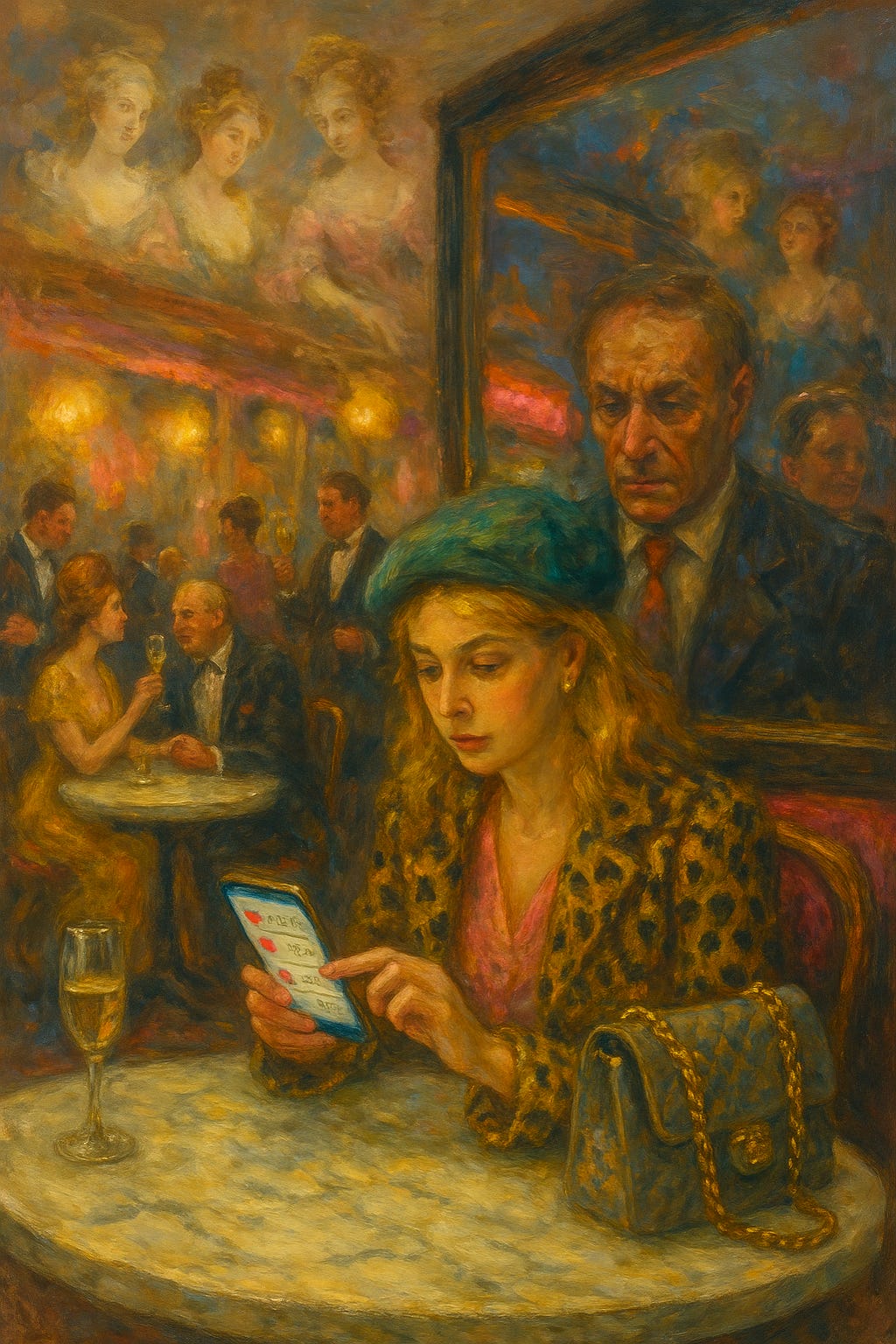
In 2006, SeekingArrangement (now Seeking.com) digitised what Versailles managed behind velvet curtains, marketing “mutually beneficial relationships” with search filters for age, income, and expectations. Forty million members later, the algorithm has replaced the courtesan’s calling card.
The numbers game
Surveys suggest around five percent of U.S. undergraduates have sugar-dated. Similar figures appear in Europe’s capitals. But asking someone if they’re a sugar baby is like asking, “Do you ever strangle cats in your spare time?”
If five percent admit it, the real number is likely higher. Measuring sugar dating is like measuring infidelity: the act is easier than the confession.
Platonic, sexual, or something in between
Profiles often advertise “platonic companionship.” Some arrangements genuinely are. But let’s be honest: for most men, a sugar baby without sex is about as exciting as alcohol-free whiskey.
In practice, money begins as the overture, but sex usually joins the orchestra sooner or later.
The dynamics
The standard structure is an allowance — weekly or monthly payments, occasionally padded with handbags, apartments, or cars. For men, it’s intimacy without ambiguity and the flattering illusion of desirability.
For women, it’s stability and status.
A Canadian student once said it felt like “dating a boyfriend who just had better gifts.” Another joked that “escorts don’t get Christmas presents.” Both insisted it wasn’t prostitution because there were dinners and holidays — until the illusion cracked and the power imbalance showed.